Travel &
Transport 🚆
Vocabulary · Comparatives · Superlatives · Speaking
🚆 Travel & Transport
A1 Beginner · Grammar: Comparatives & Superlatives · Present Simple
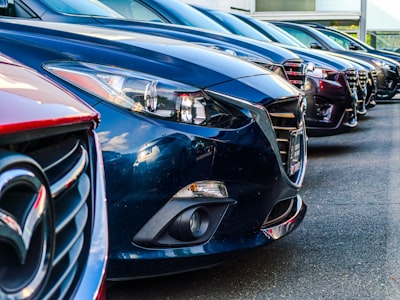
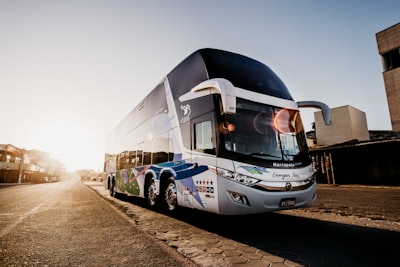
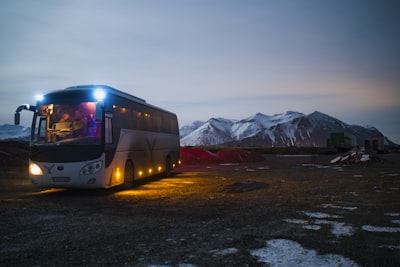
🌍Warm-Up — Transport Pictures
Look at the pictures and answer these questions: / Spójrz na zdjęcia i odpowiedz na pytania:
- What transport can you see? / Jaki transport widzisz?
- Which one do you use? / Którego używasz?
- Which is fast? Which is slow? / Który jest szybki? Który jest wolny?
- Which is the best? / Który jest najlepszy?
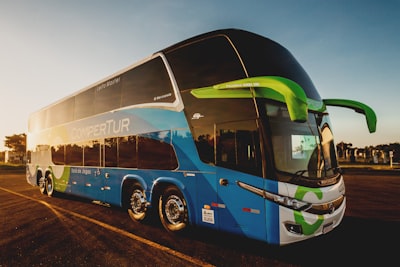
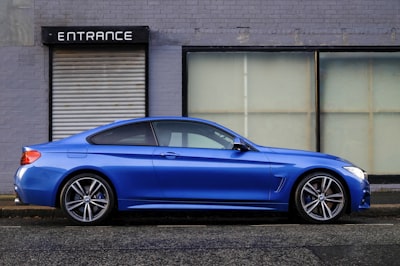


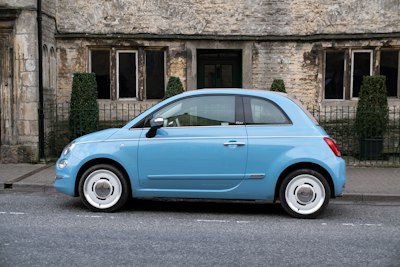

📚Dictionary — Vocabulary
🔹 Types of transport / Środki transportu
🔹 Travel verbs / Czasowniki podróży
🏛️Places — Where Do You Travel From?


🔗Vocabulary Exercise — Matching
Match the description with the correct word. / Dopasuj opis do właściwego słowa.
📖Reading — How Do People Travel?
People travel in many different ways. In cities, most people use public transport like buses, trams and the underground. The underground is often faster than the bus because it does not stop in traffic. In London, the underground is called “the Tube” and it is one of the oldest metro systems in the world — it opened in 1863!
For longer journeys, many people take the train. The train is more comfortable than the bus and it is usually faster. The fastest train in the world is in Japan. It travels at over 600 kilometres per hour — much faster than a car!
For holidays to other countries, people usually travel by plane. Flying is the quickest way to travel long distances but it is also the most expensive. A bicycle is the cheapest and the most eco-friendly means of transport.
In Poland, buses and trams are very popular in big cities like Warsaw and Kraków. Many students go to school by bus or on foot. Some people think the car is the most convenient means of transport, but it is not the most environmentally friendly!
Ludzie podróżują na wiele różnych sposobów. W miastach większość ludzi korzysta z transportu publicznego, takiego jak autobusy, tramwaje i metro. Metro jest często szybsze niż autobus, ponieważ nie zatrzymuje się w korku. W Londynie metro nazywa się „the Tube” i jest jednym z najstarszych systemów metra na świecie — zostało otwarte w 1863 roku!
Na dłuższe podróże wiele osób jedzie pociągiem. Pociąg jest wygodniejszy niż autobus i zwykle szybszy. Najszybszy pociąg na świecie jeździ w Japonii. Osiąga prędkość ponad 600 kilometrów na godzinę — dużo szybciej niż samochód!
Na wakacje za granicą ludzie zazwyczaj lecą samolotem. Latanie jest najszybszym sposobem podróżowania na długie dystanse, ale jest też najdroższe. Rower jest najtańszym i najbardziej przyjaznym środowisku środkiem transportu.
W Polsce autobusy i tramwaje są bardzo popularne w dużych miastach, takich jak Warszawa i Kraków. Wielu uczniów dojeżdża do szkoły autobusem lub pieszo. Niektórzy uważają, że samochód jest najwygodniejszym środkiem transportu, ale nie jest najbardziej przyjazny środowisku!
💡 Notice! / Zwróć uwagę! The highlighted words are comparatives and superlatives. / Podświetlone słowa to stopień wyższy i najwyższy.
✅Reading Comprehension — Part 1: Open Questions
Answer the questions in your own words. / Odpowiedz na pytania własnymi słowami.
1. Why is the underground often faster than the bus?
Dlaczego metro jest często szybsze niż autobus?
2. When did the London underground open?
Kiedy otwarto londyńskie metro?
3. In which country is the fastest train in the world?
W jakim kraju jest najszybszy pociąg na świecie?
4. What is the cheapest and most eco-friendly transport?
Jaki jest najtańszy i najbardziej ekologiczny środek transportu?
5. How do many students in Poland get to school?
Jak wielu polskich uczniów dojeżdża do szkoły?
1. Because it does not stop in traffic.
2. In 1863.
3. In Japan.
4. The bicycle.
5. By bus or on foot.
🔘Reading Comprehension — Part 2: Multiple Choice
Choose the correct answer. Click to check! / Wybierz poprawną odpowiedź.
1. What do most people use in cities?
2. What is the London underground called?
3. Which is usually more comfortable — bus or train?
4. How fast is the world’s fastest train?
5. Flying is the quickest way to travel, but it is also…
6. Which transport is the most eco-friendly?
7. In which cities in Poland are buses and trams popular?
8. The word “convenient” (wygodny/praktyczny) means…
9. How do you say “najtańszy” in English?
10. Which of these sentences is correct?
📐Grammar — Comparatives & Superlatives
📌 How to compare transport / Jak porównywać środki transportu
| Type / Typ | Comparative / Stopień wyższy | Superlative / Stopień najwyższy |
|---|---|---|
| Short adj / Krótkie | fast → faster | fast → the fastest |
| Short adj / Krótkie | cheap → cheaper | cheap → the cheapest |
| Long adj / Długie | expensive → more expensive | expensive → the most expensive |
| Long adj / Długie | comfortable → more comfortable | comfortable → the most comfortable |
| Irregular / Nieregularne | good → better | good → the best |
Comparative / Stopień wyższy
A train is faster than a bus.
A plane is more expensive than a train.
A bike is cheaper than a taxi.
Superlative / Stopień najwyższy
A plane is the fastest transport.
A bike is the cheapest.
The car is the most convenient.
Good / Best
The train is better than the bus.
A car is the best means of transport because it is comfortable and fast.
💬Speaking Practice
🏫 How do you go to school?
Jak dojeżdżasz do szkoły?
❤️ What transport do you like? Why?
Jaki środek transportu lubisz? Dlaczego?
⚡ Is a train faster than a bus?
Czy pociąg jest szybszy niż autobus?
✈️ Do you travel by plane? Where do you go?
Czy podróżujesz samolotem?
🇵🇱 What transport is popular in your country?
Jaki transport jest popularny w Twoim kraju?
🏆 Which is the best means of transport? Why?
Który środek transportu jest najlepszy?
💬 Useful Phrases / Przydatne zwroty
✍️Writing Task — How Do You Travel?
Write 5–6 sentences about how you travel. / Napisz 5–6 zdań o tym, jak podróżujesz.
Answer these questions in your writing: / Odpowiedz na te pytania:
- How do you go to school? / Jak dojeżdżasz do szkoły?
- What transport does your family use? / Jakiego transportu używa twoja rodzina?
- What is your favourite means of transport and why? / Jaki jest twój ulubiony środek transportu i dlaczego?
- What means of transport do you dislike and why? / Jakiego środka transportu nie lubisz i dlaczego?
💬 Useful phrases for writing / Przydatne zwroty:
I go to school by bus. It takes about twenty minutes. My family has a car and my parents drive to work every day. My favourite means of transport is the train because it is comfortable and fast. I don’t like taxis because they are too expensive. I think the bike is the most eco-friendly transport, but in winter it is too cold to ride!
🧪Final Mini Test
Test your knowledge! / Sprawdź swoją wiedzę!
1. I ___ to school by bus every day.
2. A plane is ______ than a train. (fast)
3. The bicycle is ______ means of transport. (cheap — superlative)
4. I ___ a bike to school.
5. Where do you wait for a bus?
6. Flying is the most expensive but also the ______.
7. “Comfortable” is a long adjective. Its comparative is…
8. “Dobry” in English is “good”. The superlative is…
9. Which sentence is correct?
10. Planes take off and land at a…
🎉 Well done!
You know transport vocabulary and grammar!
Lesson Complete! / Lekcja ukończona!
Send your results to your teacher / Wyślij wyniki do nauczyciela
Środki transportu po angielsku — lekcja interaktywna A1
W tej lekcji poznasz nazwy środków transportu po angielsku, nauczysz się je porównywać i dowiesz się, jak mówić o podróżowaniu. Ćwiczysz słownictwo, porównania (stopień wyższy i najwyższy przymiotników) oraz rozumienie tekstu — z polskimi tłumaczeniami i natychmiastową informacją zwrotną.
Idealna dla początkujących (poziom A1) oraz uczniów szkoły podstawowej powtarzających temat środki transportu przed sprawdzianem.